The lung, heart and brain Health Newsletter
A collection of research, experience, wisdom and tips from hundreds of people living with lung disease. Curated from the weekly patient support groups of Pulmonary Success Circles.
In this issue:
1. Preventing sarcopenia (muscle wasting) and retaining healthy functional muscle.
2. Leg Swelling, fatigue and poor immunity: possibly caused by poor lymphatic function and ways to improve it.
3. Quick Tips: instant relief from a stuffy nose without medications
But first, how did you do with the exercises in the last newsletter? Check in with yourself.
1. Did you track your daily step count? Did you increase it? Did you set a goal of 250, 500 or 1000 miles over the next 12 months. Remember that walking just 20 minutes a day is over 300 miles in a year. Go for the gold!
2. Did you try the key 5 exercises for aging? I heard great reports from a few people who tried them. If you skipped them, go back and watch the short video and test your ability to do the 5 simple exercises. Weakness in your ability to do the simple exercises may be a red flag indicator for your future independence. Studies show that older adults who cannot stand up from a seated position without using their arms have a 3 times higher mortality rate over the next five years.
This newsletter is for educational purposes only. It is not intended as medical advice, diagnosis or treatment, and it is no substitute for medical advice from your own physician.
1) The Silent Threat of Sarcopenia (muscle wasting)— and How to Fight Back
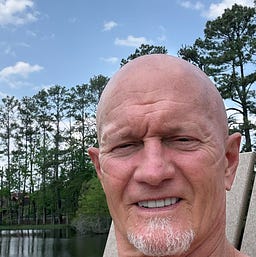
My experience: Sarcopenia and muscle wasting —We lose about 5% of our muscle mass every decade after age 30 and after age 50 that rate increases. At 62 I was 185 pounds, very strong and muscular and I swam, ran and cycled every day. After Covid and two bouts of pneumonia I became weak and short of breath and was diagnosed with advanced pulmonary fibrosis with a need for supplemental oxygen 24 hours a day. I became chronically inactive and “fell off the cliff” fitness-wise due to inactivity. Within 18 months I was a skinny 150 pounds and unable to go up a flight of stairs or walk more than 50 feet without resting due to shortness of breath and severe fatigue. The information that follows comes from medical science but is not just good ideas that I saw on YouTube or read in a report. I have personally followed the advice of medical and fitness professionals and I have applied the methods that are described as well as used the two specific supplements, all of which have restored my natural body weight. Today I am 185 pounds, lean and muscular, and I am stronger than most 25 year-olds. I still use supplemental oxygen 24 hours a day especially during exercise. Theses methods can work for you too.
The Silent Threat of Sarcopenia — and How to Fight Back
After I lost that much strength and muscle mass, I learned firsthand what sarcopenia really is. Sarcopenia is the age-related loss of skeletal muscle mass, strength, and function. It’s not just a cosmetic issue or a normal part of getting older — it’s a serious condition that increases the risk of falls, fractures, hospitalization, frailty, and even death.
According to the National Institute on Aging (NIA), muscle loss begins around age 30, accelerating to as much as 1–2% per year after age 50 if we don’t take proactive steps to stop it. Inactivity, poor nutrition, inflammation, and chronic illnesses like pulmonary fibrosis, COPD or heart disease can dramatically speed up this process.
Why Sarcopenia Matters
Loss of muscle isn’t just about weaker arms or legs — it affects your metabolism, immunity, and independence.
• Mobility and Falls: Reduced muscle strength makes everyday activities—like climbing stairs or carrying groceries—harder. It also increases fall risk, which is the leading cause of injury and hospitalization in older adults.
• Metabolic Health: Muscle tissue helps regulate blood sugar and fat metabolism. Low muscle mass is strongly linked to insulin resistance, type 2 diabetes, and obesity, even in people with a normal weight.
• Immune Function and Recovery: Muscles release signaling molecules called myokines that reduce inflammation and support immune health. Losing muscle accelerates frailty and slows recovery from illness or injury.
• Respiratory Health: For those of us living with lung disease, sarcopenia is especially dangerous. We rely on strong muscles—not only in our legs and arms, but also in our diaphragm and chest wall—to breathe efficiently. Research shows that sarcopenia worsens shortness of breath, decreases exercise tolerance, and leads to poorer outcomes in pulmonary fibrosis, COPD, and other respiratory conditions (Jones et al., Eur Respir J, 2023).
The Good News: Sarcopenia Can Be Reversed
The best “medicine” for sarcopenia isn’t a pill — it’s movement, resistance training, and proper nutrition.
1. Strength Training: The Foundation
Even people in their 70s, 80s, and beyond can rebuild muscle with consistent strength training.
Studies show that just two to three sessions per week of progressive resistance training can increase muscle mass by 1–3% and strength by 30–50% in older adults within three months (Peterson et al., Ageing Res Rev, 2010).
Examples of effective exercises include:
• Bodyweight movements: squats to a chair, wall push-ups, heel raises
• Resistance bands: excellent for people using oxygen or with limited mobility
• Light weights: start with 1–5 lbs and focus on controlled movements
• Pulmonary rehab or supervised programs: ideal for rebuilding safely with oxygen support
• Gym exercises using machines for upper body pulling and pushing, abs and core, and leg exercises .
Consistency is more important than intensity — aim to move and lift something every day.
⸻
2. Daily Activity: Motion is Medicine
Simple habits like walking, climbing stairs, gardening, or light cycling help maintain endurance and balance. Even breaking up sitting time with short bursts of activity improves muscle metabolism.
If you use oxygen, work with your respiratory therapist to find the flow rate that keeps your oxygen saturation above 90% during exercise — this helps you stay active safely. Once you determine a good oxygen flow rate for exercise, then keep the oxygen set at that level and don’t spend every minute of your exercise watching your oxygen saturation—focus on the exercise and easy deep nasal breathing. You will most certainly get short of breath often if you’re pushing yourself. If it seems easy then you’re wasting your time because you’re not working hard enough to cause your body to adapt and build muscle and cardiovascular strength. People without lung disease get out of breath when exercising too. When you get out of breath, don’t freak out, simply pause, rest for a moment, practice slow, deep, nasal breathing, and resume exercise as soon as possible.
⸻
3. Protein: The Building Block of Muscle
Adequate protein is essential to repair and rebuild muscle tissue. Unfortunately, many older adults consume far less than they need.
• The recommended dietary allowance (RDA) is 0.8 g/kg/day — but research suggests that older adults and people recovering from illness need closer to 1.2–1.6 g/kg/day (Bauer et al., J Am Med Dir Assoc, 2013).
• For a 150-lb (68-kg) adult, that’s 80–110 grams per day.
• Spread it throughout the day: aim for 25–30 grams of protein per meal.
Good sources include eggs, fish, poultry, Greek yogurt, beans, and plant-based proteins. Leucine-rich foods (like whey protein, lentils, or soy) are especially powerful for stimulating muscle synthesis.
⸻
4. Key Nutrients You May Want to Supplement That Support Muscle Health
• Vitamin D – Supports muscle function and balance; many adults are deficient.
• Omega-3 fatty acids – Reduce inflammation and may help muscle protein synthesis.
• Creatine monohydrate – Backed by decades of research showing benefits for muscle strength and endurance, even in older adults and more recently studies have shown cognitive improvement with creatine.(Forbes et al., Nutrients, 2021).
• L-Leucine, an amino acid that our body needs to convert dietary protein into muscle.
Always consult your physician before starting supplements, especially if you have kidney or liver conditions.
⸻
Reclaiming Strength and Independence
When I began rebuilding my strength after pulmonary rehab, I started slow and easy: standing from a sitting position in a chair without using my arms, short walks with oxygen, very light weights and resistance bands. Within months, my energy, confidence, and breathing improved dramatically and so I increased resistance and intensity weekly.
The truth is, sarcopenia isn’t inevitable. Whether you’re 50 or 80, it’s never too late to build muscle, restore function, and reclaim your life.
The key is to stay consistent — move daily, eat enough protein, and challenge your muscles safely.
⸻
Key Takeaways
• Muscle loss starts around age 30 and accelerates after 50.
• Sarcopenia increases risks of falls, frailty, and poor outcomes with illness.
• Strength training and higher protein intake can reverse muscle loss at any age.
• For those with lung disease, maintaining muscle is essential for better breathing and quality of life.
· ***If you would like a copy of an adaptable workout plan that I use to build strength and cardiovascular health, in a format that you can use if you are just beginning fitness training or already advanced, send me an email and request my simple strength routine. Leefogle1@gmail.com
⸻
References
1. National Institute on Aging. Sarcopenia: Understanding and Preventing Muscle Loss. NIH, 2024.
2. Jones SE, et al. Sarcopenia and Outcomes in Chronic Lung Disease: A Systematic Review. Eur Respir J, 2023.
3. Peterson MD, et al. Resistance Exercise for the Aging Adult: Benefits and Practical Recommendations. Ageing Research Reviews, 2010.
4. Bauer J, et al. Evidence-Based Recommendations for Optimal Protein Intake in Older People: PROT-AGE Study Group. J Am Med Dir Assoc, 2013.
5. Forbes SC, et al. Creatine Supplementation in Aging Adults: Evidence and Practical Recommendations. Nutrients, 2021.
⸻
The Importance of Movement for Lymphatic Flow
Signs of Poor Lymphatic Drainage — and How to Correct It Naturally
Swollen calves and ankles, fatigue, and lowered immunity are often signs of poor lymphatic flow.
Your lymphatic system is a crucial — but often overlooked — part of your immune and detoxification system. It moves nearly two liters of fluid daily through a vast network of vessels, nodes, and ducts that collect cellular waste, toxins, and excess fluid, then return them to the bloodstream for elimination.
Unlike your bloodstream, which is pumped by the heart, the lymphatic system has no central pump. Instead, it depends on body movement, muscle contractions, breathing, and gravity to keep fluid flowing. When we become inactive or sit for long periods, the lymph system slows down, and fluid tends to pool in the lower legs. Over time this can lead to edema, swollen ankles, and impaired immune function.
As Dr. Gerald Lemole (cardiothoracic surgeon and author of The Healing Diet and Lymph & Longevity) describes, when lymph flow stagnates, it’s like “a river that stops moving — debris builds up, and the water becomes toxic.” The same happens in our bodies: sluggish lymph leads to inflammation, sluggish immunity, and fatigue.
⸻
Why Lymphatic Flow Matters
• Immune Defense: Lymph carries immune cells (lymphocytes) that detect and destroy pathogens. Poor flow can weaken your body’s natural defenses.
• Detoxification: It clears out metabolic waste and cellular debris. A stagnant lymph system can increase inflammation and oxidative stress.
• Fluid Balance: The lymph system maintains proper fluid levels. When it slows, you may notice puffiness, swelling, or “heavy legs.”
A 2022 review in Frontiers in Physiology confirms that physical inactivity and aging both impair lymphatic function, while regular movement and deep breathing help restore healthy lymph circulation (Gashev & Zawieja, 2022).
⸻
Natural Ways to Boost Lymph Flow
1. Movement and Exercise
The single most powerful way to move lymph is through movement itself. Every time your muscles contract, they act like a pump to push lymph through its one-way valves.
Simple, low-impact activities like:
• Walking
• Gentle cycling
• Swimming
• Rebounding on a mini-trampoline
• Deep breathing exercises
all of these support healthy lymph flow. Even 10–15 minutes of movement every few hours can prevent pooling in the lower legs.
2. Deep Diaphragmatic Breathing
Your diaphragm is one of the strongest lymph pumps in the body. Deep breathing creates a rhythmic pressure change in the chest and abdomen, moving lymph upward toward the thoracic duct.
Try this 1-minute exercise several times a day:
1. Inhale slowly through your nose for 4 counts, letting your belly rise.
2. Hold for 2 counts.
3. Exhale fully through your mouth for 6 counts.
This is especially beneficial for people with lung disease or limited mobility, as it moves lymph and helps oxygenate tissues.
3. Gentle Lymphatic Self-Massage
Many clinicians, including Dr. Perry Nickelston (DC, FMS), and Dr. Lemole (MD), have popularized simple self-massage techniques that stimulate lymph nodes and vessels.
These methods involve light, rhythmic strokes starting near key lymphatic “drainage points” — the neck, underarms, groin, and behind the knees — to open pathways before moving fluid from the limbs.
Performed for just 5–10 minutes daily, these techniques can relieve puffiness, support immunity, and even improve energy. Here’s how to do a simple 4 minute personal lymph massage:
Instructional video:
https://youtu.be/m7ZIHCa2qeA?si=LF13P05_EXl8xm20
4. Hydration and Nutrition
Lymph fluid is about 96% water — dehydration thickens it, slowing its movement. Aim for half your body weight in ounces of water daily (for example, 75 oz for a 150-lb person).
Nutrients that support lymph health include:
• Vitamin C and antioxidants – help neutralize toxins
• Magnesium and potassium – aid fluid balance
• Omega-3 fats – reduce inflammation and improve vessel elasticity
5. Avoid Overuse of Diuretics
While diuretics can reduce swelling temporarily, they do not address lymphatic stagnation and can sometimes worsen dehydration or electrolyte imbalance if not carefully monitored.
The Cleveland Clinic notes that mild, movement-related edema often responds better to elevating the legs, exercise, and massage than to medication unless a medical condition (like heart or kidney disease) is the cause.
⸻
Putting It All Together
Your lymphatic system thrives on movement, hydration, and gentle stimulation.
If you notice ankle swelling or fatigue, don’t reach first for a pill — try walking, stretching, massaging, and breathing deeply. Often, the results are surprisingly quick.
When you get your lymph moving again, you’ll feel it: lighter legs, clearer energy, stronger immunity, and a deeper sense of vitality.
“Motion is lotion — not just for your joints, but for your lymph.”
— Dr. Gerald Lemole, MD
⸻
References
1. Gashev, A. A., & Zawieja, D. C. (2022). Aging and the Lymphatic System: Changes in Function and Implications for Health. Frontiers in Physiology, 13:842106.
2. Lemole, G. M. (2021). Lymph & Longevity: The Untapped Secret to Health. Harper Wave.
3. Nickelston, P. (2020). Stop Chasing Pain: The Hidden Impact of Your Lymphatic System. Self-published.
4. Cleveland Clinic. Lymphedema: Symptoms, Causes, and Treatment.Updated 2024.
5. National Institutes of Health. Lymphatic System: Overview and Function.MedlinePlus, 2024.
⸻
QUICK TIP: how to unstop a stuffy nose in less than 3 minutes without medication:
Breathe a normal breath in through your nose, out through mouth, pinch your nose closed and close your mouth. Gentle nod your head up and down or walk in place for 8 seconds. Release your nose and breathe normally for one minute. Then repeat, normal breath in, normal breath out, pinch the nose and close the mouth and nod or walk in place 8 seconds. Release the nose and breath normally. Repeat one of two more times until nasal passages are open and clear. It usually takes 3 cycles for me for optimum clearing.
Why it works: There’s an immediate increase in nitric oxide in the nasal cavity and nitric oxide is a vasodilator which naturally opens blood vessels and airways. For me I do this two or three times in the span of 1-2 minutes, and my nasal passage is completely opened. If I wake up in the middle of the night and because of the way I have been sleeping on one side sometimes one nostril is stuffy, I simply sit on the side of the bed and do this exercise two or three times. It opens my nostril back up and I go right back to sleep breathing easily. Of course, if you have a head cold and lots of sinus and nasal congestion, this will not work as effectively. For heavy nasal congestion, many of our group members and I use a saline nasal/ sinus rinse with a neti pot with excellent results.
Instructional video for nose unclogging technique :
https://youtu.be/m7ZIHCa2qeA?si=LF13P05_EXl8xm20
That’s all for now.
If you’d like to see specific topical information in future newsletters, reply to me with the suggested topic and we will include them.
If you don’t want to receive this newsletter, please reply with UNSUBSCRIBE in the subject line of your email and you won’t receive any more, of course, our feelings will be deeply hurt, but we’ll get over it!
About Pulmonary Success Circles:
Want to donate to Pulmonary Success Circles? You can’t. We won’t accept it. Not a single penny. We will not accept a corporate sponsor either, nor do we “monetize” our social media channels. No money whatsoever comes into our organization. The cost of the monthly Zoom accounts for each of our groups are paid for by the volunteer leaders out of their own pocket.
We are an organization of 100% volunteers who are also lung patients who use our experience strength and hope to help others.
This organization was created because there was no place for patients struggling with lung disease to connect and learn from each other, they were all alone in an unknown foreign world of oxygen tanks, medication difficulties, difficulty doing ordinary things. The organization came together around one initial support group, which had such an impact on the 10 or so members that the members themselves volunteered to start new groups and that’s how we’ve grown to almost 150 patients in our support groups today with a further
Social Contact